What is a token?
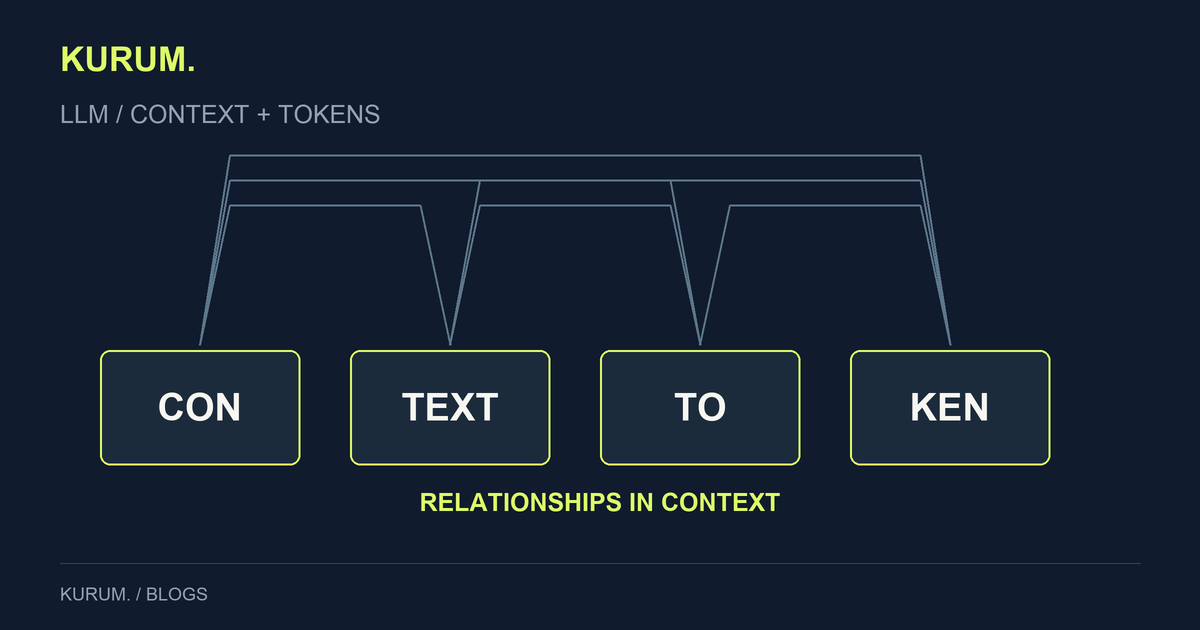
Google’s learning material defines tokens as units that may be words, word parts or characters. A hundred-word passage therefore need not contain a hundred tokens. Language, punctuation and tokenisation affect the count. The term helps explain how text is processed rather than providing a universal word conversion. [1]
Page count is similarly an imperfect guide to the amount of material a system can process. Two documents with the same number of pages can contain very different text volumes. When an application reaches a limit, the model’s actual processing units are more informative than the document’s visual length.
What is a context window?
Context is the material considered while producing an answer. Instructions, conversation and supplied documents can share that space. Providing a fact in context is different from permanently retraining a model. Supplying a whole document also does not guarantee correct use of every detail. [1]
Imagine attaching two versions of a contract and asking for a summary. A clearer task identifies the relevant version and the scope of the answer. This creates a checkable working boundary rather than relying on the model to infer which information should take priority.
What is a Transformer?
Many LLMs use Transformer architectures. Attention mechanisms help evaluate relationships among parts of the input. Parameters are numerical components adjusted through training. A larger parameter count does not mean a system will be the best choice for every job. [2]
Model selection benefits from task-specific examples. Understanding short customer messages, comparing long documents and producing code involve different requirements. Speed and cost should be assessed alongside correctness. Longer output is not automatically better output.
Why can an LLM be wrong?
Producing plausible language is different from verifying every assertion against the world. Google’s material discusses hallucinations, computation costs and bias. A convincing citation still needs to be opened and checked: the referenced material may not establish the claim. [2]
A useful initial evaluation includes questions with known answers. Ask for the relevant passage in a supplied document and read it yourself. Rephrasing a false claim more elegantly is not fact-checking. The evaluation needs criteria capable of detecting the error before a real user depends on it.
How do LLMs, chatbots and agents differ?
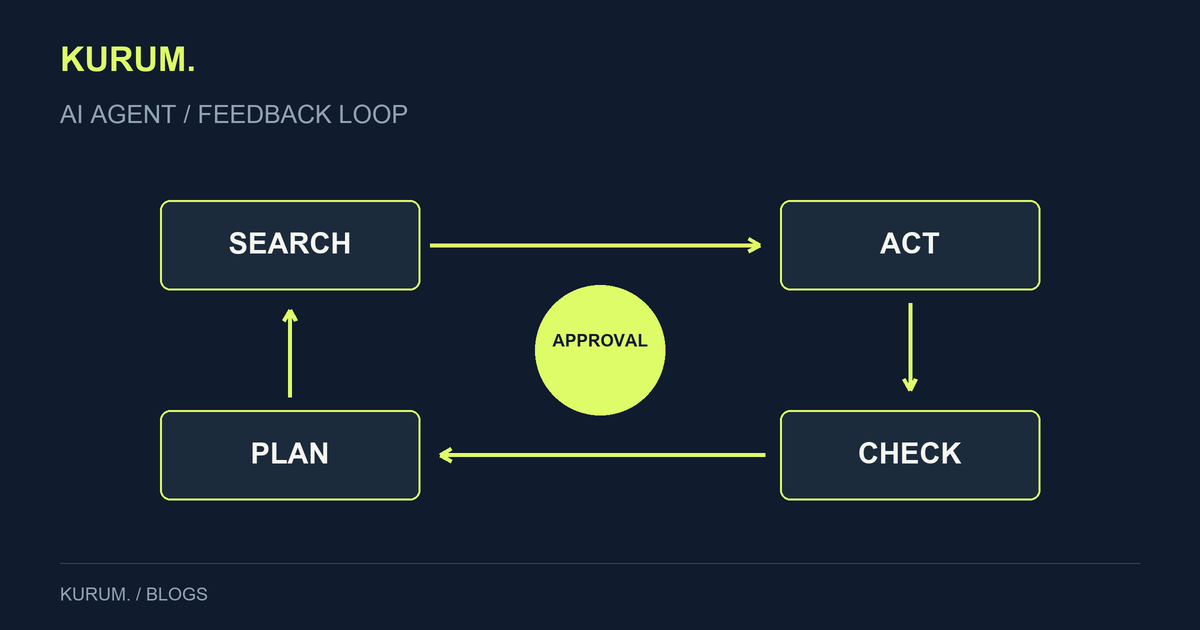
The LLM is the model. A chatbot is an application that communicates with a user. An agent can combine a model, tools and a sequence of actions to pursue a task. Web access or file access comes from the deployed system; it should not be assumed to exist in every use of the underlying model.
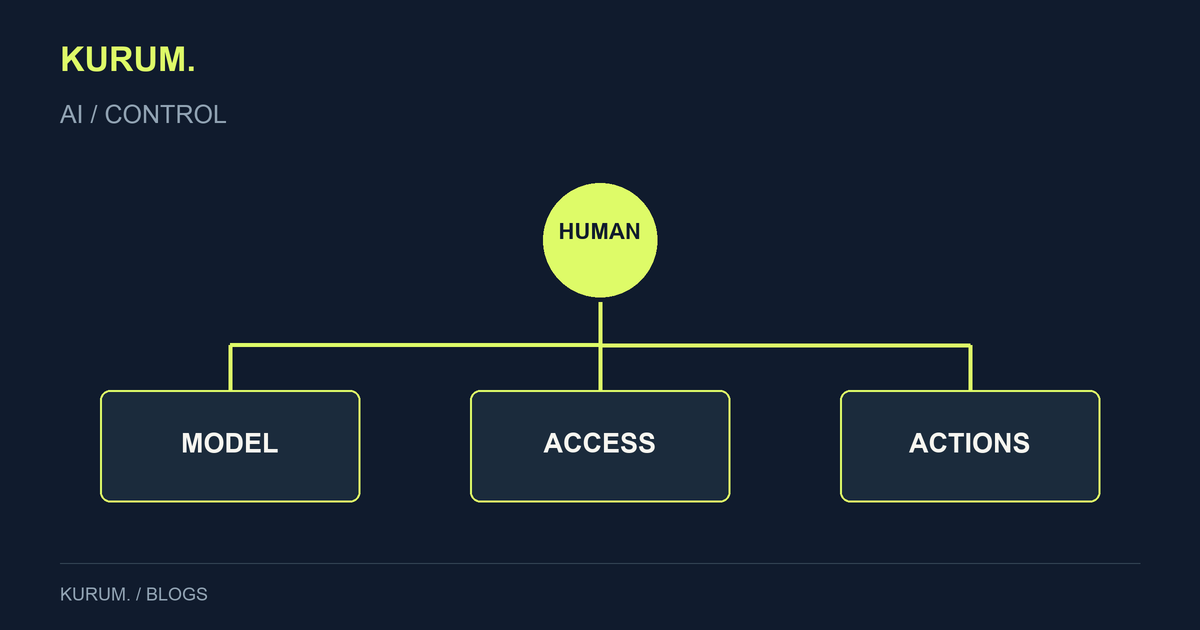
Before adopting a product, ask three separate questions: which model is used, which data can be accessed, and which actions can be taken? The label “LLM-powered” does not explain the data workflow or how the product handles mistakes. Those are practical design questions that remain necessary after the terminology is understood.
Frequently asked questions
What does LLM stand for?
Large language model.
Is one token always one word?
No. A token can be a word, word part or character, depending on the model and language.
Does a larger model guarantee accuracy?
No. Results depend on the task, data, context and evaluation conditions.
Sources
Sources checked: 29 October 2026